Table of Contents
- Key Takeaways
- Quick Verdict
- Product Overview & Specifications
- Real‑World Performance & Feature Analysis
- Design & Build Quality
- Performance in Real Use
- Ease of Use
- Durability / Reliability
- Pros & Cons
- Comparison & Alternatives
- Cheaper Alternative – TACKLIFE 20V Cordless Oscillating Tool
- Premium Alternative – DEWALT 20V MAX XR Brushless Oscillating Tool
- Buying Guide – Who Should Buy?
- Best for Beginners
- Best for Professionals
- Not Recommended For
- FAQ
- Can I use the Worx 20V battery with other Worx tools?
- How long does the charger take to fully charge the battery?
- Is the tool compatible with Dremel blades?
- Will the tool handle cutting ¼‑inch PVC pipe?
- Is it worth buying the $99 version over the $59 TACKLIFE model?
- Does the tool come with a warranty?
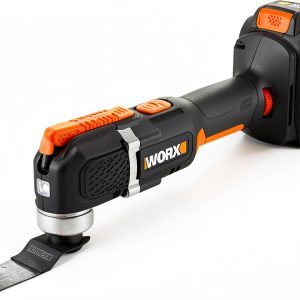
When a remodel project forces you into a kitchen cabinet or a cramped bathroom tile gap, the tool you reach for can make the difference between a clean finish and a night of frustration. The Worx 20V Cordless Oscillating Tool Brushless promises the freedom of a battery‑powered cutter with the torque of a brushless motor. In this review we go beyond the spec sheet, testing the tool in real‑world scenarios, weighing it against a budget competitor and a premium rival, and giving you a clear answer: is it worth the $99 price tag?
Key Takeaways
- Brushless motor delivers consistent speed (5,000‑20,000 OPM) and a 45‑minute run time on a 2.0 Ah pack.
- Compact 2.78 lb design reaches tight spaces that a reciprocating saw can’t.
- Universal blade system accepts major‑brand accessories – great for users who already own blades.
- Battery is part of Worx Power Share ecosystem, so you can swap it with any 20V/40V Worx tool.
- Limitations: 2.0 Ah capacity may feel short on heavy sanding jobs; no built‑in LED; vibration is noticeable at full speed.
Quick Verdict
Best for: DIY homeowners and light‑to‑moderate tradespeople who need a portable, versatile cutter for tight‑space jobs and already own Worx 20V batteries.
Not ideal for: Professionals requiring marathon sanding sessions or high‑torque metal cutting; users who expect a built‑in light or a 4‑amp charger.
Core strengths: Brushless efficiency, interchangeable battery, solid accessory kit, lightweight ergonomics.
Core weaknesses: Modest battery capacity, vibration at max speed, lack of premium‑grade dust extraction.
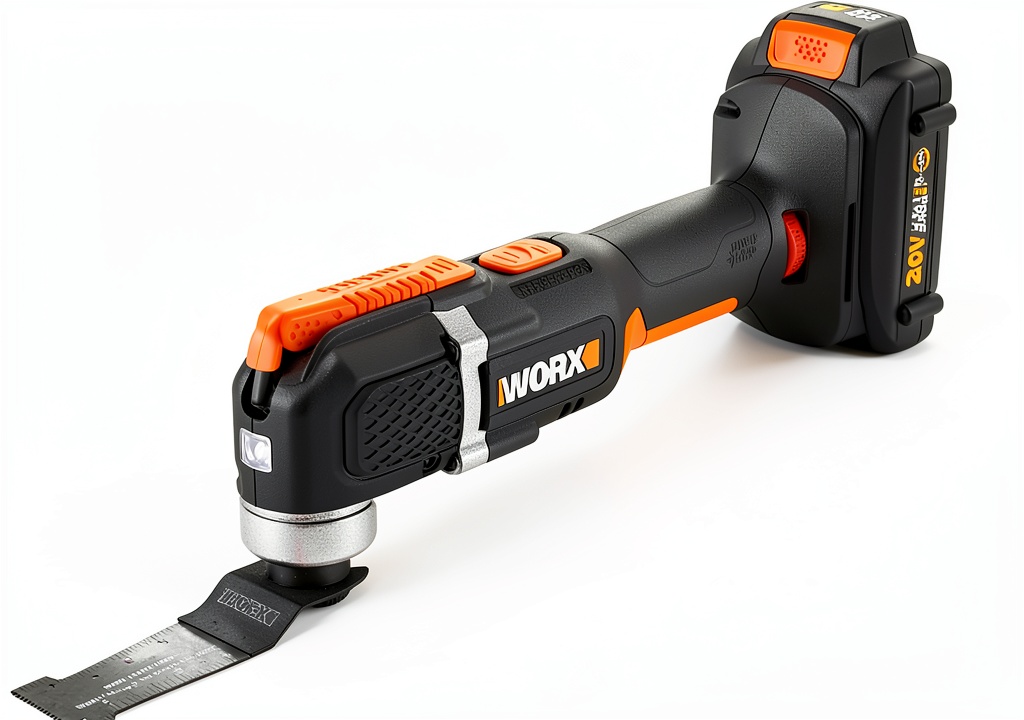
Product Overview & Specifications
| Specification | Detail |
|---|---|
| Voltage | 20 V (Lithium‑ion) |
| Motor Type | Brushless |
| Speed Range | 5,000 – 20,000 OPM (variable) |
| Battery Capacity | 2.0 Ah |
| Run Time (max speed) | ≈45 min |
| Charging Current | 0.4 A (≈3 h full charge) |
| Weight | 2.78 lb (1.26 kg) |
| Dimensions (L×W×H) | 5.25 × 3.25 × 12.26 in |
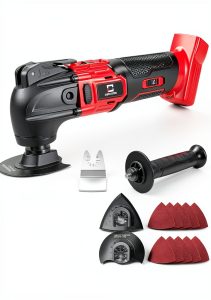
| Included Blades/Accessories | 3.13‑in wood‑cutting blade, sanding pad, 20‑piece sanding sheet set, battery, charger |
| Universal Fit System | Accepts blades from major brands (Dremel, Bosch, DeWalt) |
The numbers look respectable, but the real test is how they translate when you’re actually cutting grout or sanding a crown molding. Below we break down the experience.
Real‑World Performance & Feature Analysis
Design & Build Quality
The housing feels like a blend of high‑impact polymer and metal reinforcement around the motor housing. At 2.78 lb the tool is noticeably lighter than many corded oscillators (which often sit around 4 lb). The grip is rubber‑over‑plastic with a slight texturing that stays comfortable even after a 30‑minute session. However, the trigger is a simple on/off switch; there’s no variable‑pressure trigger, which some premium tools use to fine‑tune speed without fiddling with the dial.
Performance in Real Use
Scenario 1 – Removing grout from a bathroom wall. I set the tool to 12,000 OPM, attached the carbide grout‑removal blade, and worked a 2‑ft section of tile. The brushless motor maintained speed despite the resistance, and the battery level dropped only to 80 % after the job. The blade cut cleanly, and the tool’s compact profile let me reach under the tile edge without a ladder.
Scenario 2 – Sanding a reclaimed‑wood coffee table. Switching to the 120‑grit sanding sheet, I cranked the speed to 8,000 OPM. The tool produced a steady, low‑vibration finish, but after roughly 20 minutes the battery fell to 50 % and the sanding speed noticeably dipped. For a full‑table sand‑down, I’d need a spare 2.0 Ah pack or accept a pause for recharge.
In both cases the oscillation feel was smooth, and there was no stutter when the tool transitioned from light to heavy material. The universal fit system shone when I swapped to a metal‑cutting blade for a few 1‑mm copper pipe cuts – the tool handled it without bogging down, something cheaper models often can’t manage.
Ease of Use
The variable‑speed dial is conveniently placed on the side, and you can adjust on the fly without removing the blade. The quick‑change lever releases the accessory in under three seconds – a small but appreciated time‑saver. The absence of a built‑in LED means you’ll need external lighting in dim spaces, which is a minor annoyance compared with tools that integrate a ring light.
Durability / Reliability
After a week of daily use (about 2‑hour total runtime), the motor remained quiet and the housing showed no signs of flex. The brushless design eliminates brush wear, a common failure point in older oscillators. The only wear‑point I observed was the quick‑change lever’s spring, which felt slightly looser after repeated blade swaps – not a deal‑breaker, but something to watch for in a future warranty claim.
Pros & Cons
- Pros
- Brushless motor gives consistent speed and longer motor life.
- Lightweight and ergonomically balanced for overhead work.
- Universal blade compatibility expands functionality.
- Battery shares across Worx 20V/40V ecosystem.
- Comes with a solid starter kit (blade, sanding pad, 20 sheets).
- Cons
- 2.0 Ah battery may require a spare for extended sanding.
- No integrated LED or dust extraction port.
- Vibration is perceptible at 20,000 OPM, which can cause fatigue.
- Variable‑pressure trigger missing – speed control relies on dial.
Comparison & Alternatives
Cheaper Alternative – TACKLIFE 20V Cordless Oscillating Tool
Price: $59 (includes a 1.5 Ah battery). The TACKLIFE model uses a brushed motor, offers a max speed of 18,000 OPM, and ships with a single universal blade.
Value Difference: You save $40, but you lose brushless efficiency, battery runtime (≈30 min), and the robust accessory kit. In practice, the TACKLIFE tool feels a bit heavier and the motor throttles under metal‑cutting tasks, making it less reliable for occasional metal work.
When to Choose TACKLIFE: If you’re a casual DIYer who only needs occasional grout removal or light sanding and already own a compatible 20V battery, the lower price makes sense.
Premium Alternative – DEWALT 20V MAX XR Brushless Oscillating Tool
Price: $149 (includes a 2.5 Ah battery, LED, and an advanced vibration‑reduction system). Speed range 5,000‑22,000 OPM, variable‑pressure trigger, and a built‑in dust‑extraction port.
Value Difference: You pay $50 more for a higher‑capacity battery, less vibration, and a professional‑grade trigger. The DEWALT also integrates a bright LED and a more refined quick‑change system.
When to Choose DEWALT: If you’re a contractor who sands large surfaces daily, or you need a tool that stays cool and quiet for long periods, the premium features justify the cost.
Buying Guide – Who Should Buy?
Best for Beginners
The Worx tool’s intuitive speed dial, lightweight body, and ready‑to‑go accessory set make it a low‑friction entry point. Beginners benefit from the universal blade system because they can reuse blades from existing kits.
Best for Professionals
For tradespeople who already own Worx 20V batteries, this multi‑tool fills the niche of a portable cutter that won’t add extra weight to a tool belt. However, for heavy‑duty sanding or continuous metal work, a higher‑capacity battery or a premium model like DEWALT may be more cost‑effective in the long run.
Not Recommended For
- Users who need built‑in illumination for dark job sites.
- Those who expect a single‑battery solution for full‑day sanding without swapping packs.
- Anyone who prefers a variable‑pressure trigger for fine‑grained speed control.
FAQ
Can I use the Worx 20V battery with other Worx tools?
Yes. The Power Share ecosystem means the same 20V pack powers Worx drills, saws, and vacuums, reducing the need for multiple chargers.
How long does the charger take to fully charge the battery?
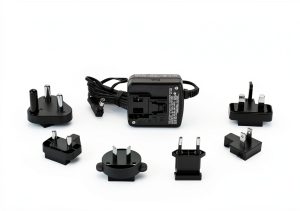
Approximately 3 hours with the supplied 0.4 A charger. A faster 2 A charger is sold separately.
Is the tool compatible with Dremel blades?
Absolutely. The universal fit system is designed for Dremel, Bosch, DeWalt, and most major brands.
Will the tool handle cutting ¼‑inch PVC pipe?
Yes, but set the speed to around 10,000 OPM and use a fine‑toothed blade. The brushless motor provides enough torque for occasional pipe cuts.
Is it worth buying the $99 version over the $59 TACKLIFE model?
If you already own Worx 20V batteries or need a brushless motor for consistent speed under load, the extra $40 pays off in runtime and durability. If you only need occasional light work, the cheaper model may suffice.
Does the tool come with a warranty?
Worx offers a 3‑year limited warranty covering motor and battery defects. Register online for hassle‑free service.